Table Of Content

The oil group also experienced significant improvements in triglyceride and LDL (bad) cholesterol levels (21). To continue to use black seed oil's hydrating abilities to enhance hair's appearance and health, you can apply a small bit to the ends of your hair to help hide and repair split ends. Along with sealing and softening strands, it also eliminates any frizz.
Improves blood sugar control
In one clinical study on patients with hair loss, those who received a topical treatment of coconut oil plus black seed oil and several other herbs experienced significantly less hair loss over 90 days compared to the control group. Just because there's no clear-cut evidence that says black seed oil doesn't generate hair growth doesn't mean it can't encourage a healthy environment for hair to grow. "It also has omega fatty acids, which help improve circulation, which is essential for healthy hair growth," Koestline points out. "These have not been tested yet and are just theories to how it can help promote hair growth." Thymoquinone is one of the main chemicals in black seed oil that's believed to contribute to hair growth, but that's just one of its benefits. "Thymoquinone appears to have significant antioxidant properties and has been shown to reduce inflammation," Dr. Skotnicki says.
Black Seed Oil Hair Benefits That Will Make You Want To Add It to Your Hair-Care Routine—Stat
Mix 1 tbsp of black seed oil to 1 tbsp of coconut oil and warm it up in a double boiler. Once the oil is warm (not hot!) apply it to your hair and scalp before you shampoo your hair. Then, cover your hair with a plastic cap and let it sit for 20 minutes – overnight. Yes, you can apply black seed oil to your hair daily if you are not allergic to it.
Deal of the Day
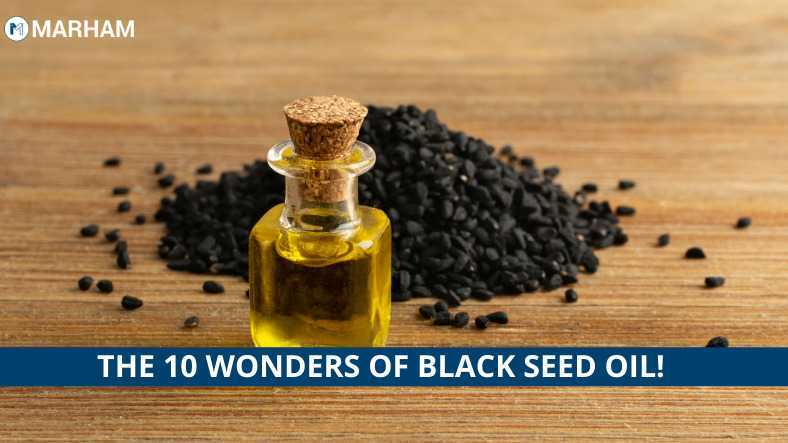
Black seed oil is an herbal ingredient extracted from seeds of the flowering plant Nigella Sativa. Also known as Nigella Sativa oil, black cumin, or Kalo jeera, the oil from these seeds has been used for its medicinal properties in Eastern cultures for generations. Because of its anti-inflammatory components, black seed oil decreases internal scalp swelling that can interfere with hair growth. Certified trichologist and inventive colorist Bridgette Hill says black seed oil is believed to hydrate, moisturize, and soften hair. However, she says one caveat, like many herbal and botanical remedies, is that the benefits are largely anecdotal and not evidence-based, so you'll have to give it a go yourself and see how it works on your hair.

For Delicious Flavor and Antioxidants, Reach for Black Seed Oil - Well+Good
For Delicious Flavor and Antioxidants, Reach for Black Seed Oil.
Posted: Mon, 22 Jan 2024 08:00:00 GMT [source]
“Nigella sativa also has antifungal properties, so it’s conceivable that it may help with those conditions. And if you really want to figure out what's going on with your hair growth and address any hair loss, make an appointment with a trichologist or dermatologist to find the right remedy for you. That’s because black seed oil has a unique profile of fatty acids, essential oils, antioxidants and phytonutrients.
Could help treat psoriasis
One interesting thing about hair is the amount of oil or sebum each strand produces differs. This factor is a key indicator of your hair condition, determining whether you will have dry or oily hair or whether there will be a perfect balance. And as the inflammation clears up, the hair fall decreases, and the normal hair growth cycle gets restored (2). The black seeds’ glory is emphasized in many traditional texts of the Middle East, Asia and the Mediterranean.
In an effort to offer a solution to the growing antifungal resistant problem people have with yeasts and molds, a recent study was conducted with the purpose of determining if Nigella sativa seed oil could help. In a recent animal model study, scientists discovered that black seed oil benefits the function of the liver and helps prevent both damage and disease. However, it’s important to note that nigella sativa oil may affect different hair types differently. If you do, you’ll know how difficult a dandruff-filled scalp can be to manage. Dandruff mainly occurs because the oil from your scalp makes the skin cells clump together. This happens when hair becomes excessively dry, as the clumped cells and dust accumulate in your hair, causing dandruff.
Black seed oil is high in antioxidants — plant compounds that help protect cells against damage caused by unstable molecules called free radicals (7, 8, 9, 10). Sativa seeds go by many other names, including black cumin, black caraway, nigella, fennel flower, and Roman coriander (2, 3). As estrogen and progesterone levels dip during menopause, hair tends to become thinner and grow more slowly. These hormone shifts can also lead to an increase in androgens, a group of male hormones that shorten hair’s growth period and leads to fallout. As a result, more than 52% of postmenopausal women experience hair loss, according to research in the journal Menopause. Black seed oil, which comes from the nigella sativa plant, has deep roots — and we’re not talking about those of the actual plant.
Black Seed Oil: Health Benefits, Side Effects, and More - Verywell Health
Black Seed Oil: Health Benefits, Side Effects, and More.
Posted: Wed, 20 Mar 2024 07:00:00 GMT [source]
Sunflower Lecithin Benefits for the Brain, Skin, Gut & More
However, oiling your hair regularly can cause buildup, and applying shampoo regularly can strip away the natural scalp oil. Moreover, black seed oil possesses antifungal, antibacterial, antimicrobial, anti-inflammatory, and antioxidant properties and is rich in oleic, linoleic, thymoquinone, linolenic, palmitic, and palmitoleic acids. Used for thousands of years to treat various ailments, black seed oil has been touted for its proposed health benefits for centuries. Here's everything you need to know about black seed oil, including where it comes from and what to look for when purchasing it in supplement form. Here are five products that use black seed oil for hair growth and overall health.
The process to make the hair loss oil was very involved, so only the results are included below. In 90 days, the test oil reduced shed hairs from almost 400 a day, down into the acceptable range of less than 100 a day. Cold pressed is the best form to use, whether you’re using it straight, or in a formula. Cold-pressed black seed oil is said to have a 100% skin absorption rate, whereas many other oils do not. The antihistamines in black seed oil can give you more hair by moving dormant hair follicles (we all have them) into the active growth phase.
As always, consult your doctor before taking black seed oil for any health conditions. According to clinical research, black seed oil seems to start to promote hair growth in as little as one week, although it takes several weeks to months for the greatest improvements and benefits. In this article, we’ll cover the benefits of black seed oil for hair, the mechanisms behind these effects, and how to use black seed oil on a regular basis for fuller, healthier hair. Black seed oil is an herbal oil that is said to have many different health benefits, including improved cholesterol, decreased inflammation, mood enhancement, and healthy blood sugar levels. In addition to medical uses, black seed oil is commonly used topically to help with a variety of skin conditions and to hydrate hair. One study in 70 healthy adults noted that 1/2 teaspoon (2.5 mL) of black seed oil twice a day for 8 weeks significantly reduced blood pressure levels, compared with a placebo (30).
Any time there’s inflammation in your scalp, you’re hair’s not going to grow as well, says Dr. Penzi. But the anti-inflammatory and antioxidant properties in black seed oil tame this inflammation to encourage healthier hair growth. So, we know about coconut, argan, squalane, palm, and grapeseed oils...but today, we're talking about black cumin seed oil. Black cumin seed oil has been making the rounds lately as an oil that's purported to contribute to hair growth and is a great antioxidant, anti-fungal, and anti-inflammatory ingredient. Black seed oil is made by extracting oil from the seeds of the Nigella Sativa plant, which is a flowering shrub that originates from southwest Asia. Black seed oil has been used for centuries as a form of natural medicine as it contains thymoquinone, a powerful antioxidant which removes free radicals from the body.
Black seed oil for hair, also known as oil from the nigella sativa plant or kalonji oil, might be the best option. The best black seed oil will have a high quantity of thymoquinone,[1] the active ingredient, be cold-pressed and contain no hexane. To enjoy the remarkable health benefits of 100% pure, organic black cumin seed oil, take a teaspoon of Health Ranger Select Organic Black Cumin Seed Oil once a day, add it to healthy beverages or drizzle it on your favorite dishes. If you’re new to the product, allow your body some time to get used to it. Black seed oil is high in antioxidants and may have several benefits for health. These include the treatment of asthma and various skin conditions, lowering blood sugar and cholesterol levels, aiding in weight loss, and protecting brain health.
While promising, the overall research on black seed oil in reducing blood pressure and cholesterol levels is limited. One study in 99 adults with type 2 diabetes found that both 1/3 teaspoon (1.5 mL) and 3/5 teaspoon (3 mL) per day of black seed oil for 20 days significantly reduced HbA1c levels, compared with a placebo (26). While most studies use black seed powder in capsules, black seed oil has also been shown to help lower blood sugar levels (25). At the end of the study, those taking the black seed oil had lost significantly more weight and waist circumference than the placebo group.
In traditional medicine, black seed oil has been used to treat a variety of health conditions. As a result, it has sometimes been referred to as “panacea” — or universal healer (4, 6). Don’t let the name scare you—this product smells nothing like onions (we wouldn’t do that to you). It goes on without a greasy feeling and absorbs quickly thanks to a blend of almond, castor, jojoba, olive and coconut oils that battle hair issues like excessive fallout, thinning, dryness and dandruff. Apparently, the hair follicles don’t have to be smothered in black seed oil. But as long as the oil is present and able to spread easily across the scalp, the active ingredients do their job.


No comments:
Post a Comment